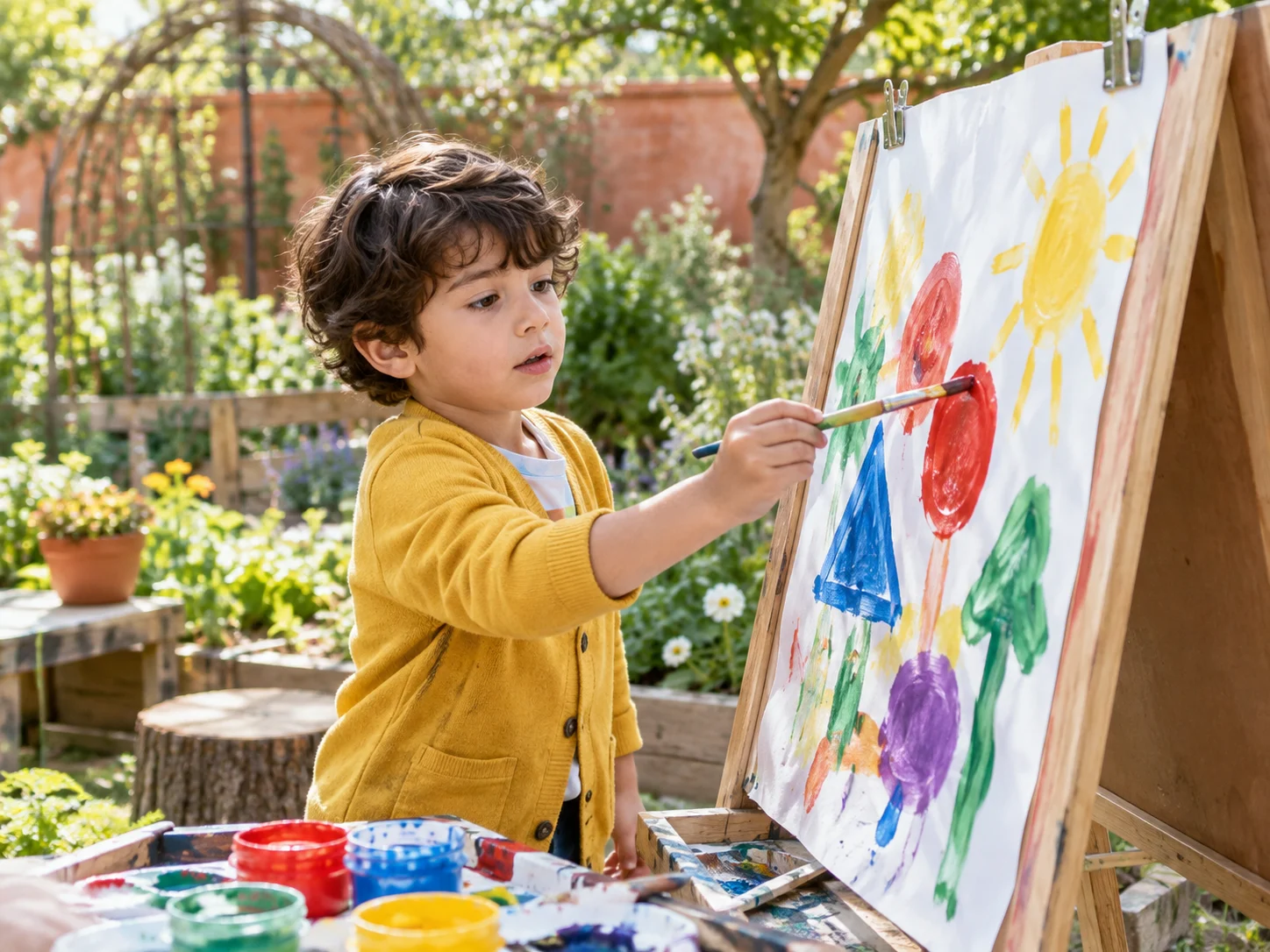
5–12
A pathway for every age

8 areas
Thinking, learning and collaboration

Practical ideas
For home and school
Understand your child. Make room for their potential.
MindQuest is GATE Center’s educational app, helping parents and teachers understand the strengths and potential of children aged 5–12. Through activities, pictures and short stories, it offers a more organised picture of how children think, learn, understand emotions and respond to situations involving others.
At GATE, understanding a child is the starting point for meaningful educational support. MindQuest helps open that conversation: which strengths are emerging, what could be developed further, and which learning experiences might come next.

Every child has their own way of learning.

Small challenges, many ways of thinking
Children observe, solve puzzles, connect information and choose how they would respond to different situations. Activities are suited to their age and cover many aspects of thinking, learning, emotions and cooperation.

A clear summary of the results
At the end, you receive a summary of what stood out in the activities: indications of strengths, skills to develop and practical ideas for home and the classroom. These observations provide a starting point for concrete steps to support your child.
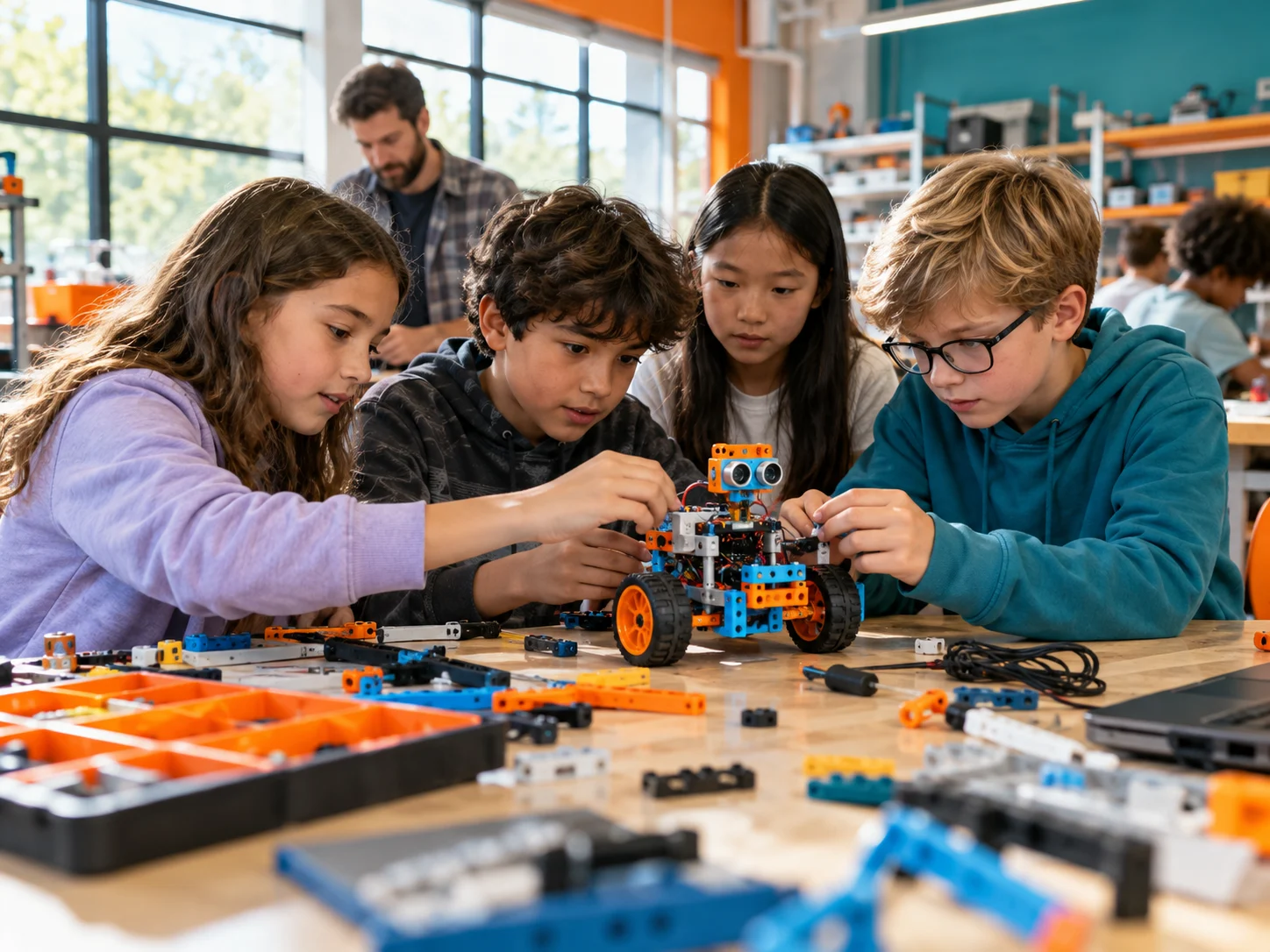
From understanding to learning experiences
GATE’s annual programmes and workshops make room for enquiry, creativity and cooperation through STEM, the humanities and the arts. MindQuest results can open a conversation with an educator about experiences suited to your child’s age, interests and needs.
Get to know more sides of your child.
Thinking, learning, emotions and cooperation come together in a child’s everyday life. MindQuest covers eight aspects of this picture through activities and short stories, creating opportunities for observation and meaningful conversation.

Language and understanding
Children connect words and ideas, use information and draw conclusions. Activities change with age, from simple connections between pictures and words to understanding more complex relationships.

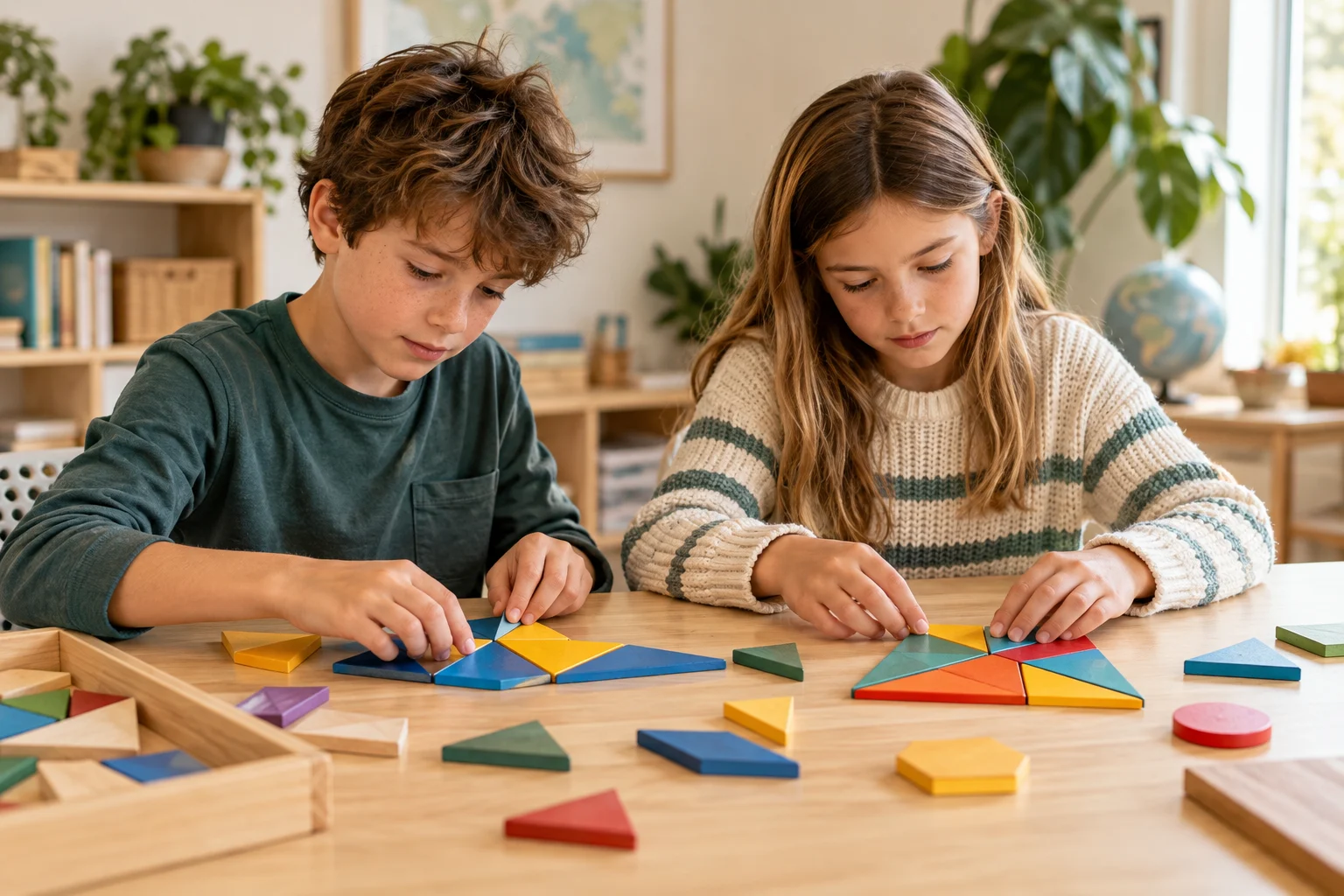
Shapes and space
Children look at shapes, follow routes and imagine how a picture changes when it turns or is reflected. Their responses show how they understand positions, directions and the relationships between what they see.
Logic and numbers
Patterns, quantities and sharing problems give children opportunities to discover rules and make connections. We see how they use what they notice to find a solution.
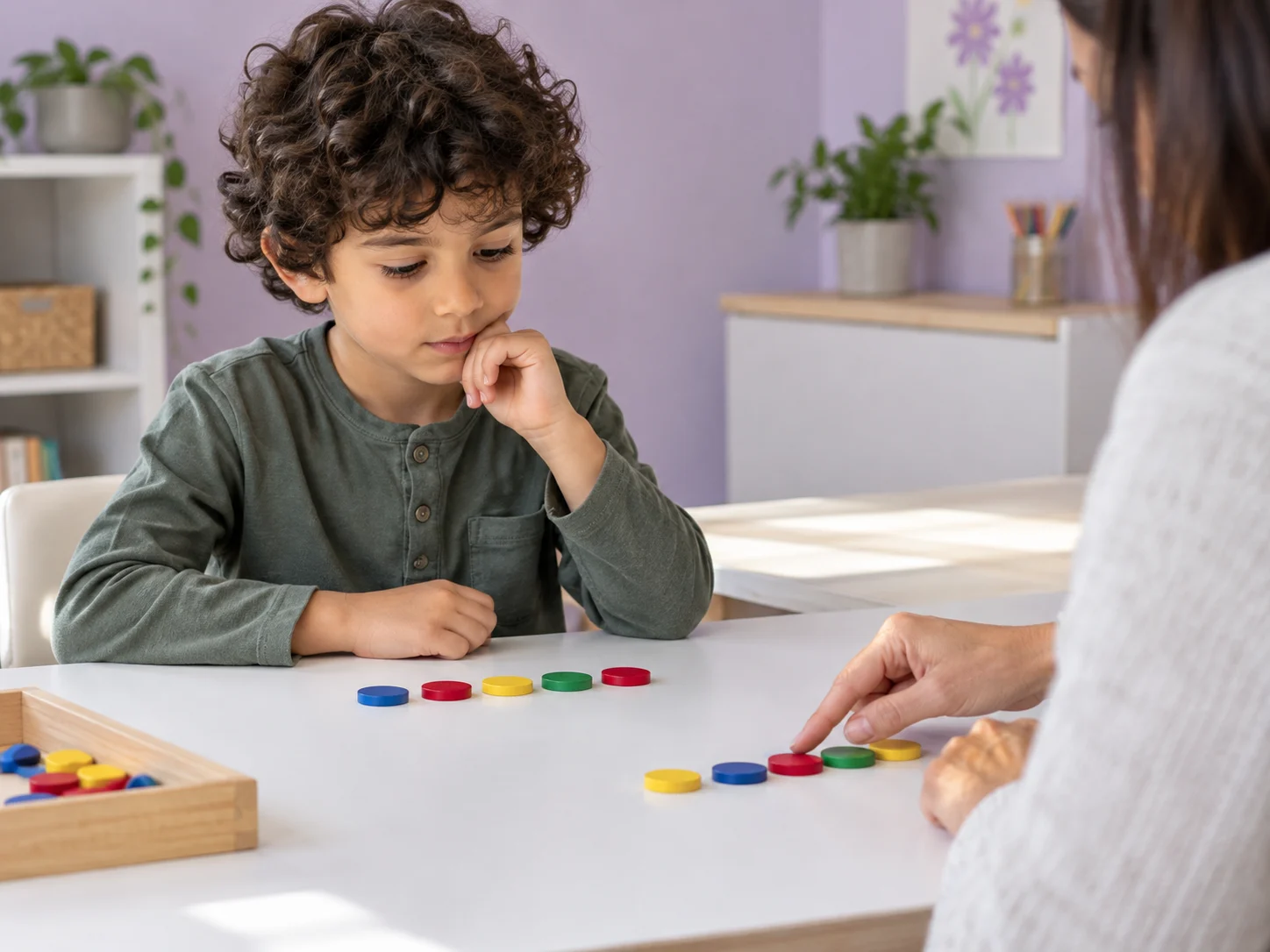
Memory and thinking
Children remember sequences and positions, then try to put information in a different order in their minds. These activities show how they hold on to and use what they need to complete a task.
Observation and attention
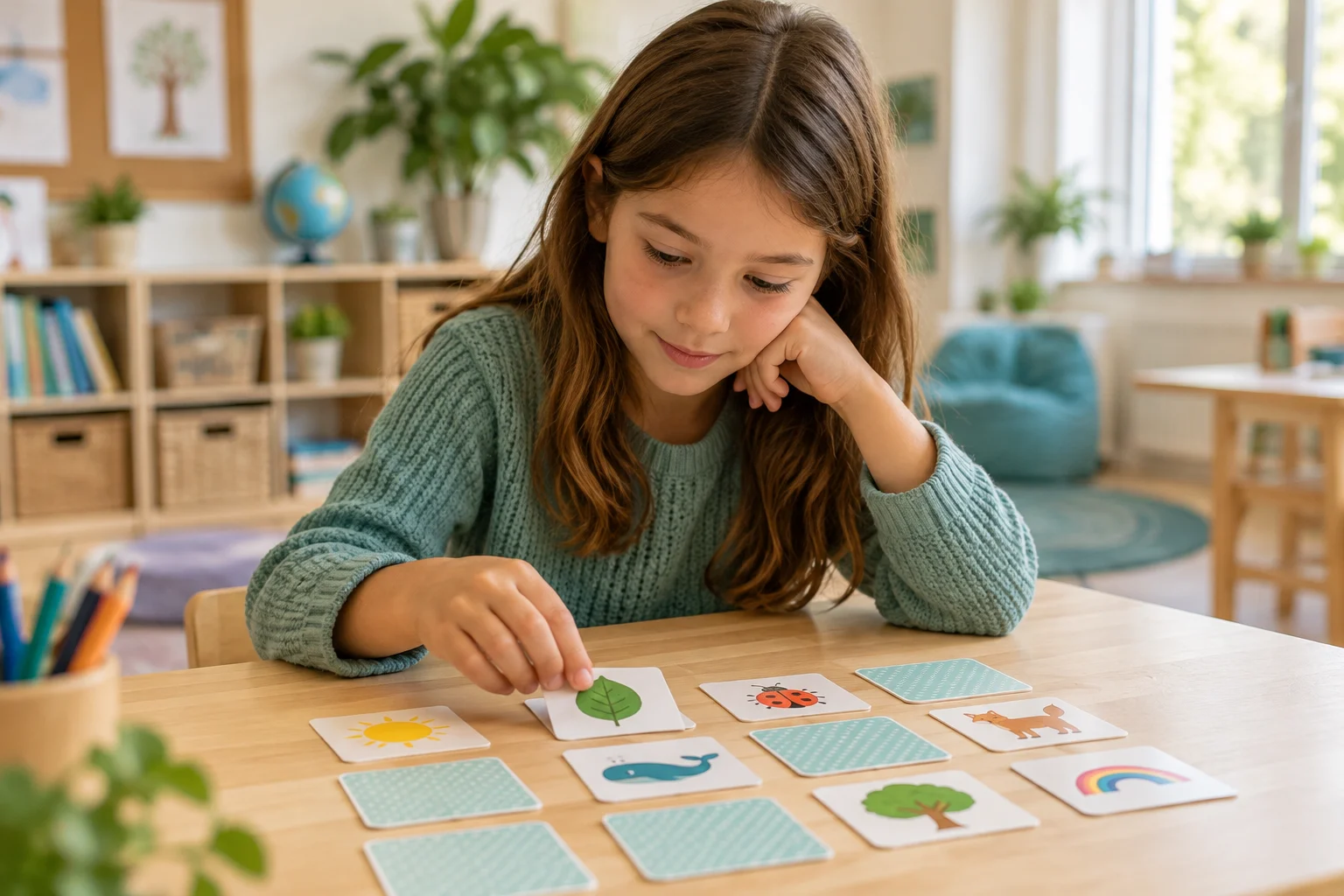
In patterns, symbols and codes, details matter. Children compare elements, spot similarities and differences, and identify what matches the example.
Solving problems and changing approach
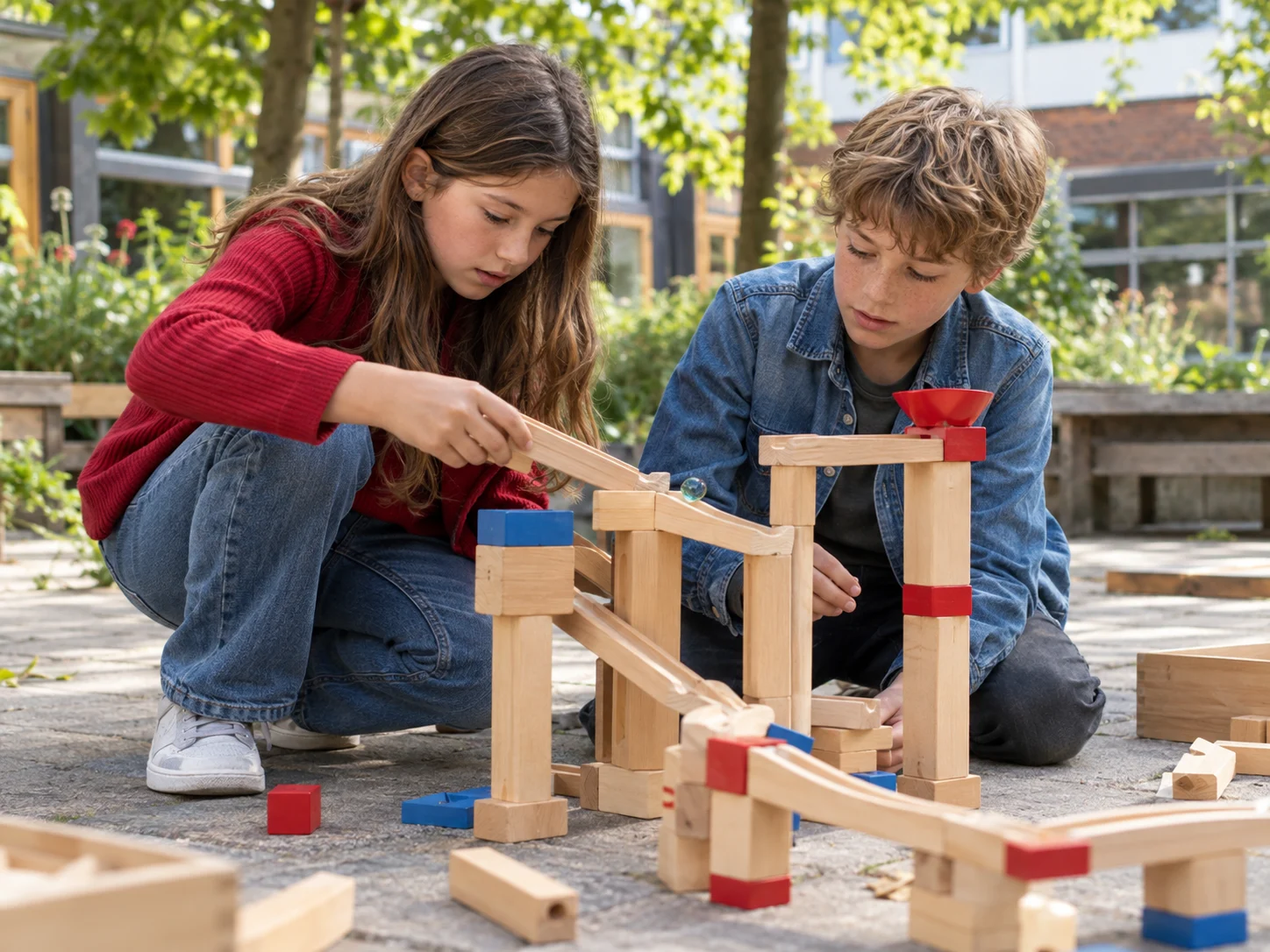
A rule changes, a route needs rethinking or a plan has yet to produce a solution. Children consider alternatives and adjust their approach as new information emerges.

Emotions and understanding others
Short stories invite children to consider how someone might feel and why. Their choices open up conversations about emotions and how the same situation can feel different to each person involved.
Cooperation and working together
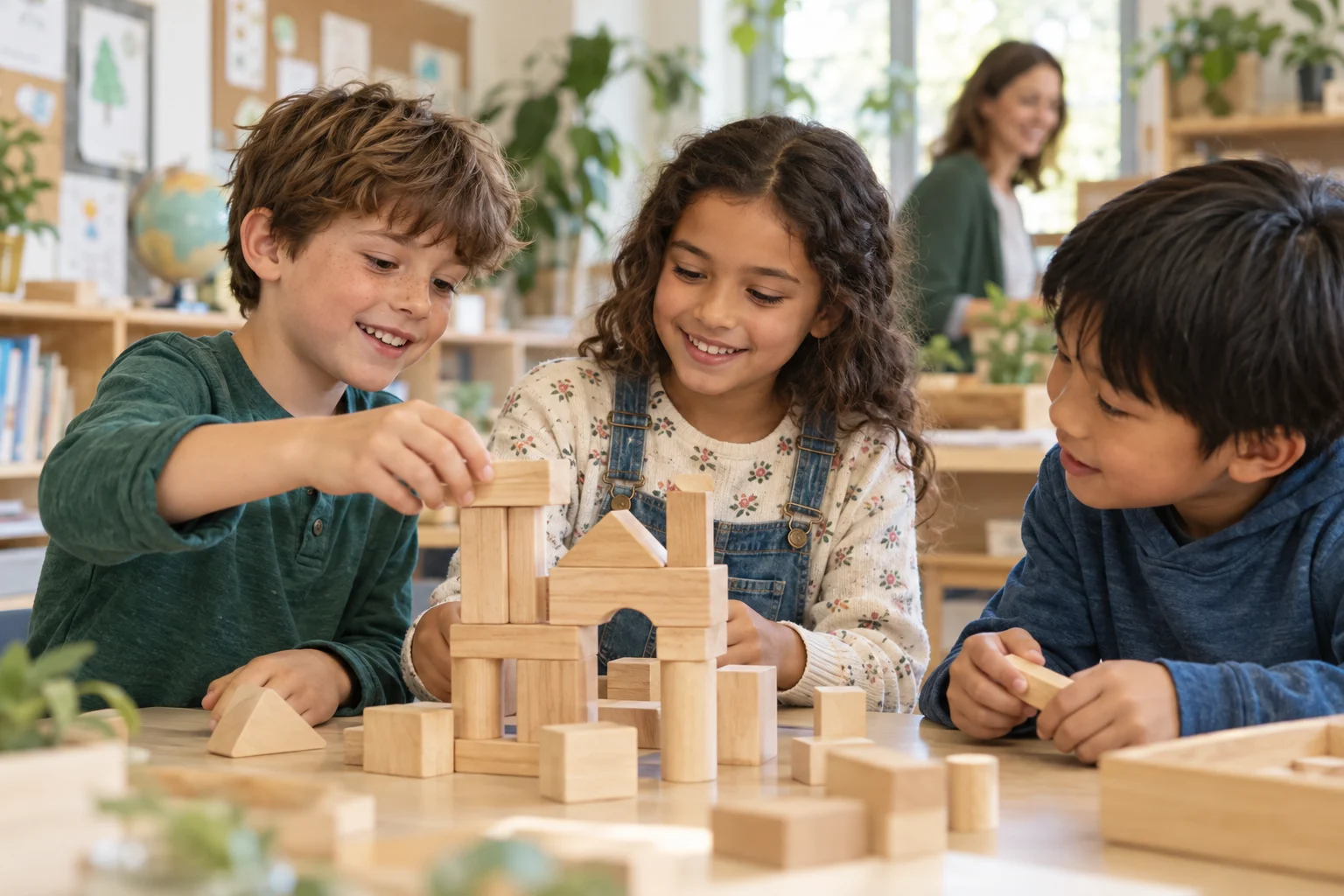
Stories about joining a group, sharing and responding to different ideas bring cooperation into focus. Children’s choices provide a starting point for discussing how to reach an understanding and work together.
A shared starting point for everyone supporting your child.
When parents and teachers share what they notice, they can better support a child. MindQuest gives them a shared starting point for that conversation, with specific examples and ideas.

For parents
Get to know your child’s strengths through the activities and find ideas to nurture them. Use the summary to inform play, learning at home and conversations with their teacher.
For teachers
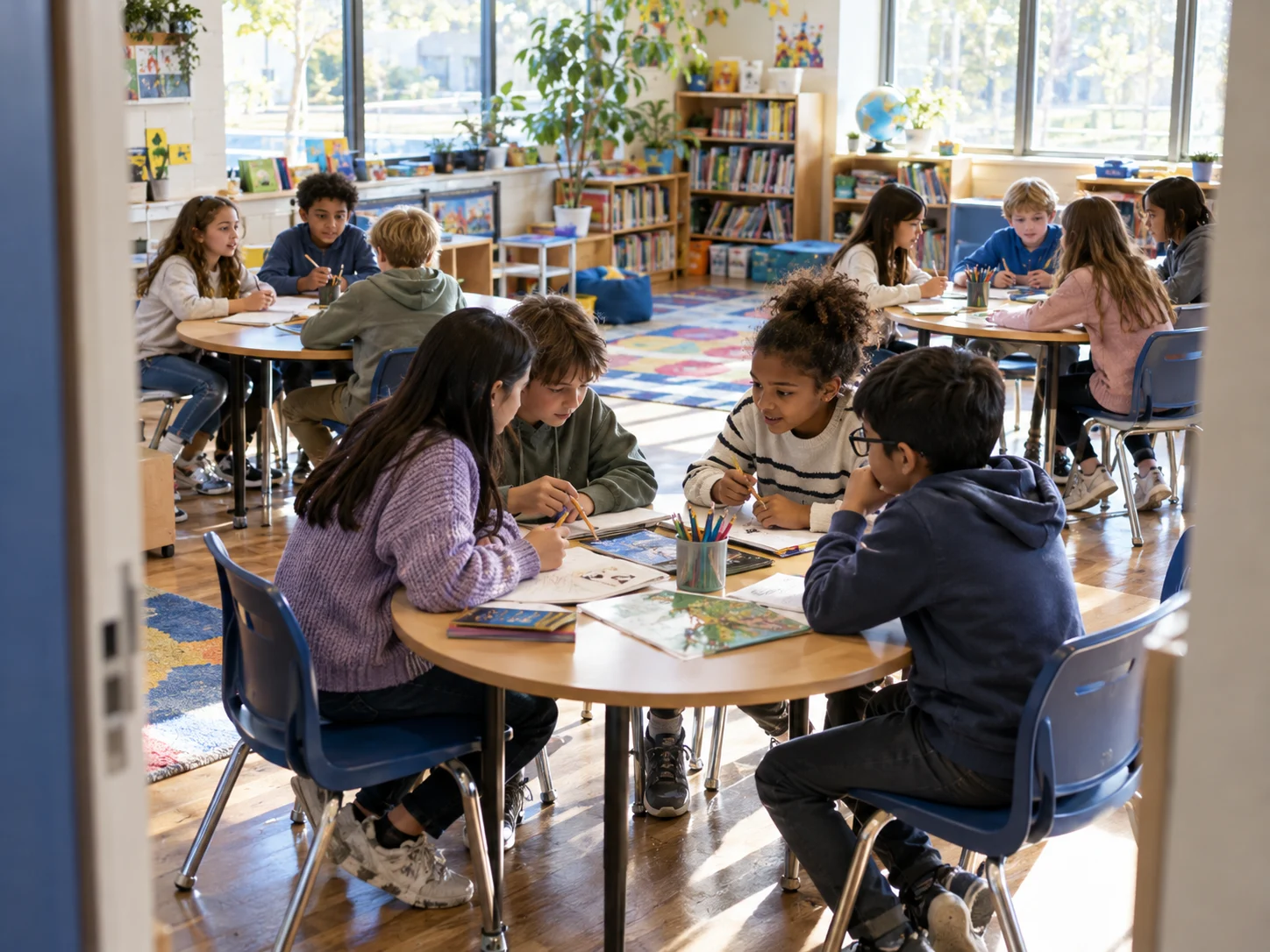
Bring together what you see in the classroom and information from the child’s activities. It can help you adapt instructions and tasks, choose new challenges and discuss next steps with the family.
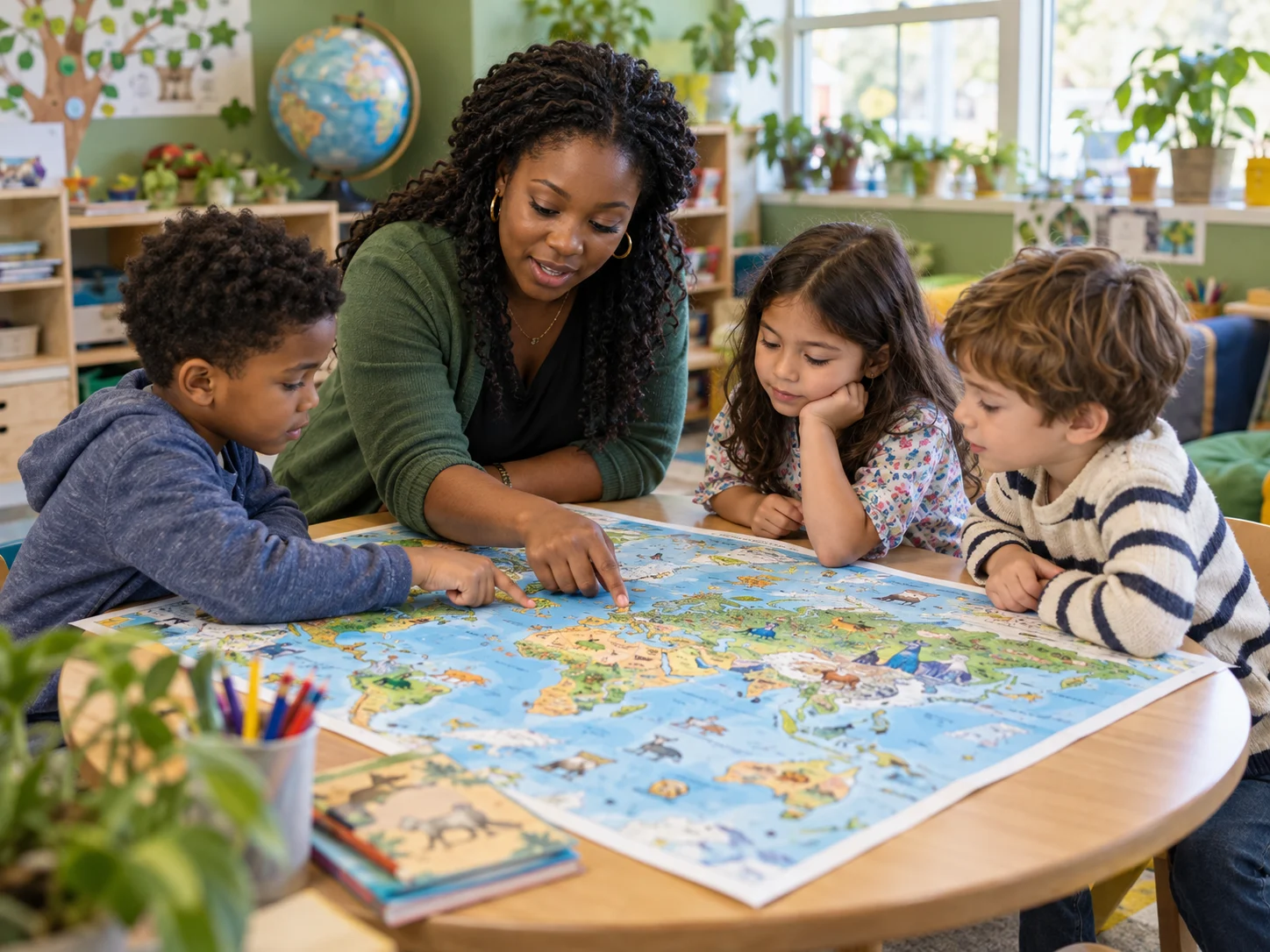
For schools and learning centres
Give teachers and families a shared basis for working together. The summaries complement everyday educational observations and help focus conversations on each child’s needs and potential.
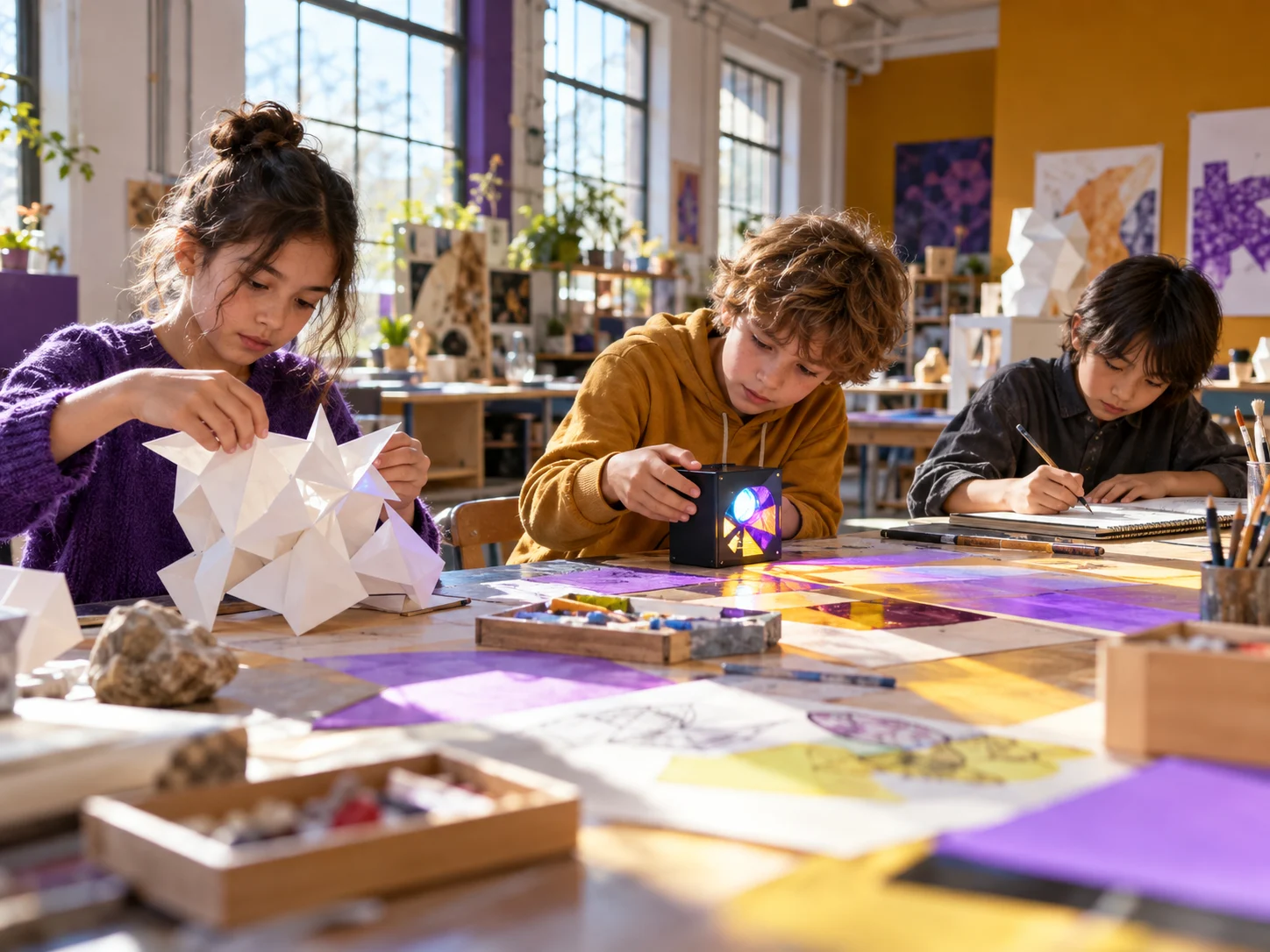
Understanding is the starting point.
Connect what you learn with experiences of creativity, collaboration and discovery at GATE.
Discover GATE Center